Should You Repair or Replace a Broken Window?
By Windows Repair of Broward · 2026-02-24 · 8 min read
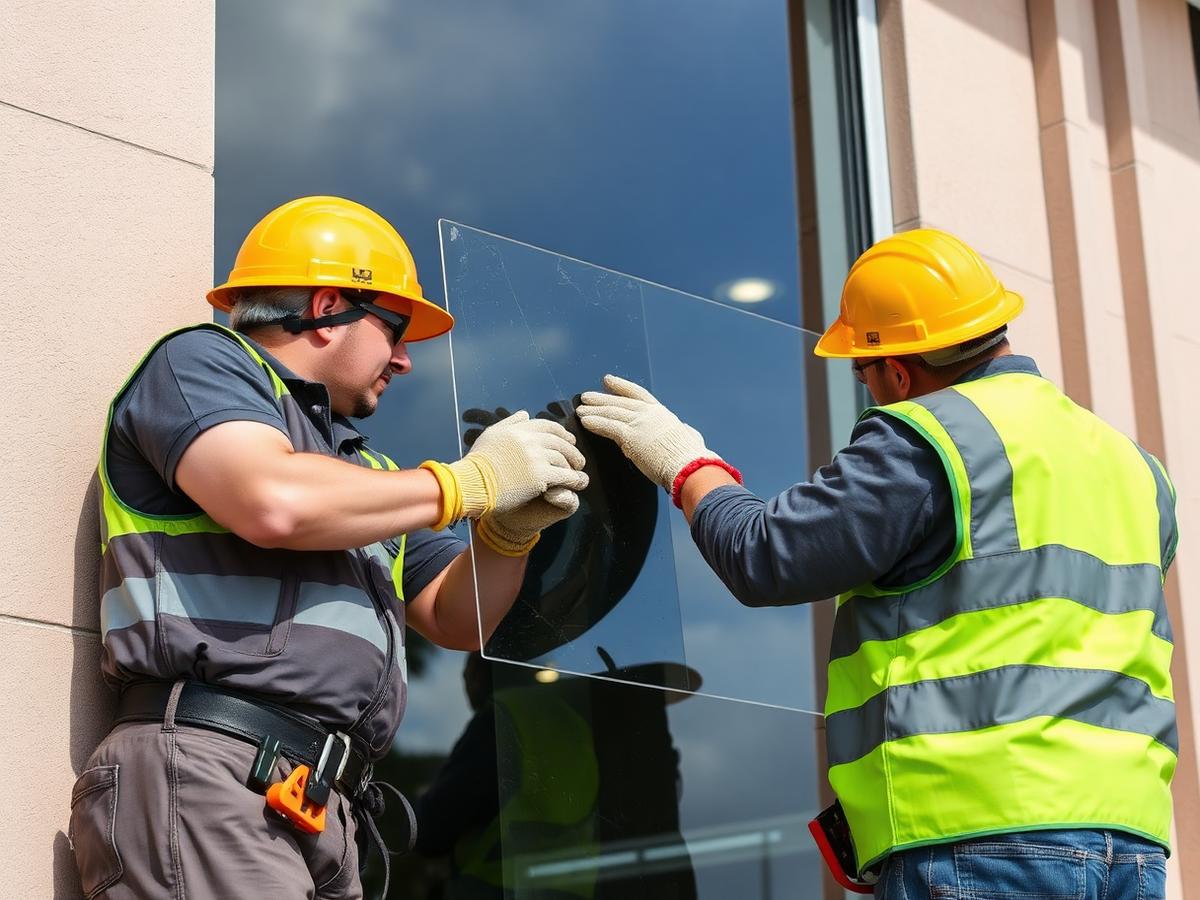
When a window breaks, the first question everybody asks is whether it can be fixed or whether the whole thing has to come out. It is a fair question, and the answer is genuinely case by case. What decides it is not the severity of the break — it is the condition of the parts around it.
A window is an assembly: frame, sash, glazing, balances or rollers, locking hardware, weatherstrip and drainage. Glass is the most visible component and the one most likely to be damaged, but it is also the one most easily changed on its own. Understanding which of the other parts are still sound tells you which path makes sense.
Start by Identifying What Actually Broke
People describe almost any window fault as a broken window. Before deciding anything, separate the symptom from the cause:
- Cracked or shattered glass, with everything else intact
- A failed insulated glass seal producing fog between the panes
- A sash that will not hold position, which is a balance problem
- A sash that will not slide, which is usually rollers or track
- A window that will not lock, which is usually alignment
- Water entry, which is usually sealant or drainage rather than glass
Only the first two involve the glass at all. The rest are hardware and sealing problems, and in nearly every case those are repairs.
When Repair Is Clearly the Right Answer
Repair is the better decision when the structural parts of the window are still doing their job. Specifically:
The frame is straight and sound
If the frame holds its shape, is anchored properly, and has no corrosion through the material, it can carry new glass and new hardware for many more years. The frame is the expensive, disruptive part to replace, because removing it involves the surrounding stucco, drywall, paint and sometimes tile.
The damage is limited to serviceable components
Glass, balances, rollers, latches, weatherstrip and screens are all designed to be replaced. Manufacturers expect these to wear out. Changing them is routine work that usually takes a single visit.
The window design still suits the opening
If you are happy with how the window operates and how it looks, and it meets your needs for ventilation and security, there is no functional reason to change the unit.
When Replacement Is Genuinely the Better Option
There are situations where repairing is throwing money at a problem that will come back. We would rather tell you that up front:
- Aluminum that has corroded through the wall of the extrusion
- Vinyl that has become brittle enough to crumble or crack under fastening
- A frame that has racked structurally because the rough opening has moved
- Multiple simultaneous failures across glass, frame and hardware in the same unit
- A unit whose parts are genuinely unobtainable and cannot be adapted
- An opening being changed as part of a renovation anyway
The honest test is whether the repair addresses the cause or just the symptom. Resealing a frame that is corroded through buys a season. Replacing rollers in a track that has been ground into a channel buys a year. If the underlying structure has failed, replacement is the correct answer.
What to Inspect Beyond the Glass
After a break, especially an impact, the glass gets all the attention and the rest of the assembly gets ignored. That is how a fresh pane ends up rattling in a bent sash. Check these before deciding:
The sash
A hard impact can twist a sash out of square. Set a straightedge along it or look at the gap between sash and frame along its full length. An uneven gap means the sash moved.
The glazing channel and stops
The channel that holds the glass has to be clean and intact for a new pane to bed properly. Cracked stops and hardened gaskets need replacing at the same time, not later.
The lock and keeper
Forced entry damages the latch and the surrounding frame material as well as the glass. A repair that restores the glass but not the lock leaves the security problem in place.
The drainage path
Fragments from a break end up in the track and block weep holes. That turns into a water problem weeks later, long after everyone has forgotten about the broken pane.
Weighing Cost and Disruption
We do not publish prices, because a fair number depends on the glass type, size, access and what else is wrong. But the shape of the comparison is consistent: replacing components is a fraction of the cost of replacing units, and the disruption difference is even larger. Component repair is typically one visit with hand tools. Unit replacement involves removing the frame from the wall, which means stucco, interior finishes, paint and often permitting.
There is also a middle path people overlook. If several windows in a house are failing, you can repair the ones that are structurally sound and replace only the ones that are genuinely finished, rather than treating the whole house as one decision.
Special Cases in South Florida
Impact windows
Damaged laminated glass in an impact unit must be replaced rather than patched, because the unit no longer offers its original resistance. However, the frame and hardware are usually fine, so this is still a glass-and-hardware repair rather than a full replacement.
Fogged insulated units
A failed seal means the sealed glass package is replaced. The frame, sash and hardware normally stay exactly where they are.
Coastal corrosion
Near the water, the deciding factor is how deep the corrosion goes. Surface pitting is treatable. Material loss through the section is not, and that is the point at which we recommend a new unit.
A Simple Way to Decide
Ask three questions. Is the frame structurally sound? Are the failed parts obtainable? Does the repair fix the cause rather than the symptom? Three yeses means repair. A no on the first question usually means replacement. A no on the second or third means it is worth getting a second opinion from someone who will look at the whole assembly rather than quoting a new unit by default.
Frequently Asked Questions
- Is it cheaper to repair a window or replace it?
- Repairing failed components is almost always less expensive than replacing the unit, provided the frame is structurally sound.
- Can a cracked pane be replaced without changing the whole window?
- Yes, in most cases. If the frame, sash and hardware are intact, only the glass needs to be replaced.
- When should a window definitely be replaced?
- When the frame has corroded through, the material has become brittle, or the rough opening has shifted structurally.
- Does a broken impact window need a whole new unit?
- Usually not. The damaged laminated glass is replaced, while the frame and hardware typically remain in service.
More Window Repair Articles
- Foggy Windows: Causes and Repair Options
- How to Identify a Broken Window Balance
- How Florida Heat and Humidity Affect Window Components
- Browse all window repair services
Need a window repaired in Broward County?
Tell us what the window is doing and we will tell you what it needs. Free estimates for residential and commercial properties.